February 26, 2018
Anyone who has ever been on a diet knows that the standard prescription for weight loss is to reduce the amount of calories you consume.

Anyone who has ever been on a diet knows that the standard prescription for weight loss is to reduce the amount of calories you consume.

Chia seeds were discovered more than 5,000 years ago and were a staple in the Aztec and Mayan diets. It’s no wonder they have stuck around for so long — they are a nutrition powerhouse! One 2-tablespoon serving provides 190 calories, 4 grams protein, 12 grams carbohydrates, 11 grams fiber and 9 grams fat, along with numerous vitamins and minerals.

Planning saves time and allows the opportunity to pack the family meal with an extra nutritional punch. Before you make your shopping list and head to the grocery store, consider the following criteria for healthier options:

What’s not to love about meal prep? It’s budget-friendly, helps you stick to your diet, and saves you lots of time during the week. In this meal-prep meal plan, we walk you through four super-simple base recipes that come together to create delicious Mediterranean-style lunches for the work week. And the best part yet—all of the prep work can be done in under an hour. We already mapped out the prep plan for you (shopping list included!), and came up with some simple recipe ideas to create for the week (scroll down to the bottom of the page to see the ideas).

After-dinner and before-bedtime snacking when not hungry can result in consuming unneeded calories. Often this may be due to boredom, stress or tiredness. Try these tips to banish evening cravings and curb after-dinner snacking; and, if you must snack, go for nutritious options.

Proteins are an important part of your bones, muscles, and skin. In fact, proteins are in every living cell in your body.

The role of carbohydrates is to provide energy, as they are the body’s main source of fuel, needed for physical activity, brain function and operation of the organs.

Water is an important part of your body. In fact, it makes up more than 60 percent of your body weight. Among other functions, water:
• Moistens tissues, such as those around your mouth, eyes, and nose
• Regulates your body temperature
• Cushions your joints
• Helps your body get nutrients
• Flushes out waste products
Without water, you would die in a few days. So it’s important that you get enough water. But how much water is enough? Experts generally recommend that you drink six to eight 8-ounce glasses of fluid every day (although everyone’s needs are different). But it doesn’t have to be all water. You could satisfy some of your fluid needs by drinking other liquids. Just remember that juice, sodas and milk are high in sugar. Many fruit and vegetables, such as watermelon and tomatoes, are also mostly water.
If you’re being physically active, sweating a lot, or if the weather is hot, you’ll need more fluid. Women who are pregnant and breastfeeding also have increased fluid needs.
It’s generally not a good idea to use thirst alone as a guide for when to drink. By the time you’re thirsty, you may already be a bit dehydrated. On the other hand, you don’t need to be constantly carrying around water bottles and drinking lots of water. You are probably getting all the fluid you need if you are rarely thirsty and you produce a little more than six cups of colorless or slightly yellow urine a day. Dark urine can be a signal that you need more fluid. So drink up and stay hydrated!
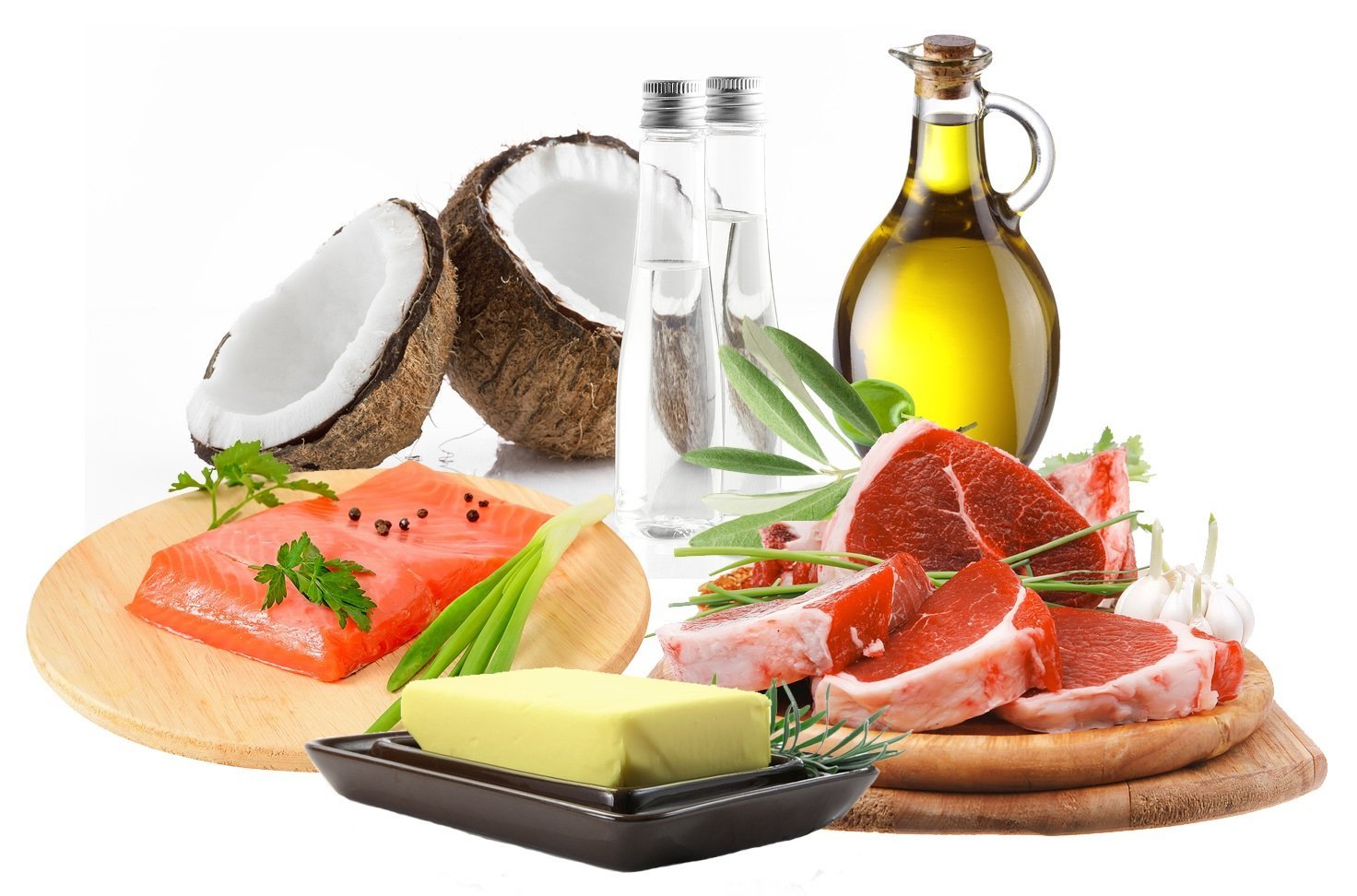
Your body needs some fat to function properly. Fat:
• Is a source of energy
• Is used by your body to make substances it needs
• Helps your body absorb certain vitamins from food
But not all fats are the same. Some are better for your health than others. To help prevent heart disease and stroke, most of the fats you eat should be monounsaturated and polyunsaturated fats.
Foods high in monounsaturated fats include:
• Olive oil
• Peanut oil
• Canola oil
• Avocados
• Most nuts
Foods high in polyunsaturated fats include:
• Safflower oil
• Corn oil
• Sunflower oil
• Soybean oil
• Cottonseed oil
Omega-3 fatty acids are a type of polyunsaturated fat that appear to reduce your risk of heart disease. Good sources of omega-3s are fatty fish. These include salmon, trout, herring, mackerel, anchovies, and sardines. You can also get omega-3s from plant sources. These include ground flaxseed (linseed), flaxseed oil, and walnuts. Small amounts are also found in soybean and canola oils.
Less healthy kinds of fats are saturated and trans fats. They can increase your risk of heart disease by causing the buildup of a fatty substance in the arteries carrying oxygen-rich blood to your heart. When this happens, your heart does not get all the blood it needs to work properly. The result can be chest pain or a heart attack. These fats can also increase your risk of stroke by causing the buildup of the same fatty substance in arteries carrying blood to your brain. Research also suggests that eating lots of trans fats may increase your risk of breast cancer.
Foods high in saturated fats include:
• Red meat (beef, pork, lamb)
• Poultry
• Butter
• Whole milk and whole milk products
• Coconut oil
• Palm oil
Trans fats are found in foods made with hydrogenated and partially hydrogenated oils. Look on the ingredients list on the food package to see if the food contains these oils. You are likely to find them in commercial baked goods, such as crackers, cookies, and cakes. Trans fats are also found in fried foods, such as doughnuts and French fries. Stick or hard margarine and shortening are also high in trans fats.
As with saturated and trans fats, eating too much cholesterol can raise your risk of heart disease and stroke. Cholesterol is a fat-like substance found in animal products, such as:
• Red meat
• Poultry
• Seafood
• Egg yolks
• Milk and milk products
• Lard
• Butter
Although monounsaturated and polyunsaturated fats are better for your health than saturated and trans fats, eating large amounts of any fat can cause weight gain. You should eat fats in moderation. And make sure that fatty foods don’t replace more nutritious foods, such as fruit, vegetables, and whole grains.

As a teenager, you may have rolled your eyes when your mom insisted that “breakfast is the most important meal of the day!” as you were running out the door. But guess what? She’s right. A new study just found a link between skipping breakfast and what may seem like an unrelated condition: atherosclerosis, otherwise known as hardening of the arteries.
In the study, those who skipped breakfast or ate very little for breakfast were more likely to have the condition — and also have unhealthy cholesterol levels and a higher waist circumference, blood sugar, and body-mass index. What’s the connection? Research suggests that eating a healthy breakfast may help to regulate your appetite throughout the day, leading to fewer cravings and more appropriate portions. So frequently skipping breakfast may spell bad news for your eating patterns, which can affect your heart health.
The researchers emphasized that people who eat little or nothing for breakfast tend to have a less healthy lifestyle overall. Which is why skipping breakfast may be a signal to take a look at your daily habits. Keep a journal for a week or two, without trying to change anything, and record your habits without judgment. Write down how much time you spend exercising, your ratio of whole foods (spinach, apples, legumes, brown rice, salmon) to processed foods (frozen pizza, white-flour bread, packaged muffins or cookies), how often you cook, order in or eat out, your alcohol intake, and your sleep. When you’re done, don’t try to overhaul your whole life at once! Get support from a health professional, and from family and friends, for any changes you’d like to make. And by all means, add in a bowl of oatmeal in the morning — try the steel-cut variety, with nuts and fresh berries.